Introduction
In a significantly interconnected world, the motion of people across borders for education and employment has ended up being a fundamental aspect of international mobility. As people seek chances abroad, whether for college, career development, or global acknowledgment of their certifications, comprehending the procedure of academic credential evaluation is critical. This guide aims to supply you with extensive insights into the typically intricate and nuanced world of academic credential evaluation, making sure that your qualifications are acknowledged and valued any place you go.
The Important Guide to Academic Credential Evaluation for International Mobility
Academic credential evaluation functions as a bridge in between varied educational systems and standards worldwide. It assesses and translates educational credentials obtained in one nation so they can be understood in another context. This guide will walk you through numerous facets of this procedure, including understanding different types of evaluations, choosing trusted https://privatebin.net/?e57cb94d614e71c3#F9wZsdJjdS7LNMCvota4VBL5iQUUBuih1KYbkZZwKLA worldwide credential evaluation services, and navigating the specific requirements for various countries.
What is Academic Credential Evaluation?
Academic credential evaluation is a systematic procedure that includes evaluating foreign instructional qualifications to identify their equivalency in another nation's education system. This assessment can incorporate numerous types of files, consisting of diplomas, records, certificates, and even professional training records.
Why is Academic Credential Evaluation Important?
Employment Opportunities: Numerous employers need proof that a prospect's educational background satisfies local or international standards. Further Education: Universities often mandate evaluations to ensure candidates fulfill their admission criteria. Visa Applications: Nations might need evaluations as part of migration processes. Professional Licensing: Specific professions require confirmed qualifications for licensure.Types of Academic Credential Evaluations
Understanding the various types of evaluations can help you choose the best path forward based upon your needs.
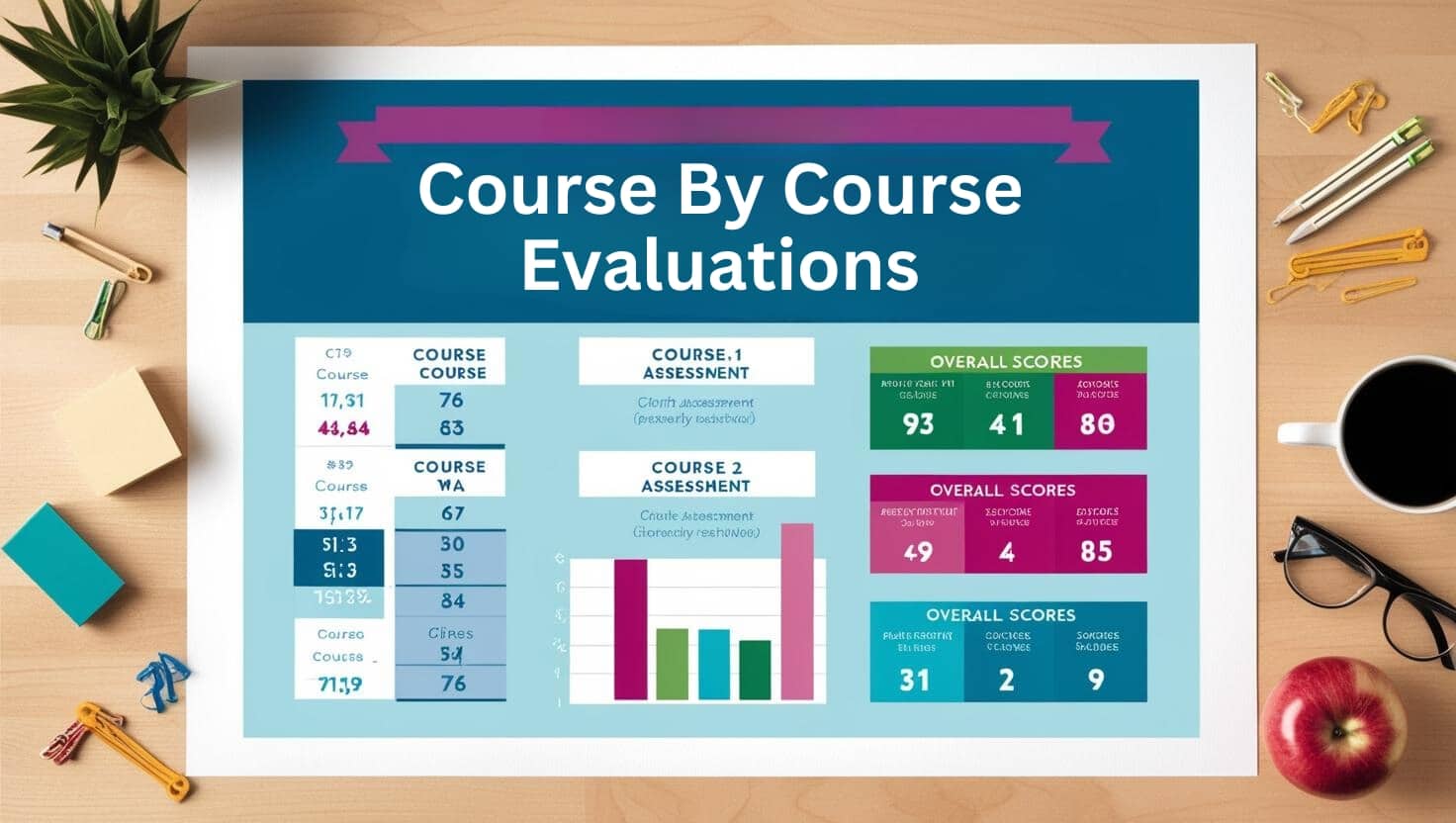
Course-by-Course Credential Evaluation
This type uses an in-depth analysis of each course finished throughout your studies along with grades gotten. It's particularly useful for students seeking to move credits or apply to finish programs.
Document-by-Document Evaluation
A more basic approach that offers a summary of your overall educational attainment without diving into individual course details. This is usually sufficient for work verification or visa applications.
Work Experience Evaluation
For people without official degrees however with substantial expert experience in their field, work experience examinations assess relevant abilities and understanding got through employment. Such assessments can support applications in lieu of standard scholastic credentials.
Choosing International Credential Evaluation Services
Selecting a dependable examination service is vital to guarantee proper assessment and acknowledgment:
Accreditation: Look for companies recognized by reliable bodies such as NACES (National Association of Credential Examination Services) or AICE (Association of International Credential Evaluators).
Reputation: Research evaluates and testimonials from previous clients.
Specialization: Some services focus on certain areas or fields; ensure they align with your requirements.
Turnaround Time: Bear in mind processing times as this can impact application deadlines.
Cost: Examine pricing structures carefully; while more affordable alternatives may appear enticing, quality needs to not be compromised.
The Process of Academic Credential Evaluation
Navigating the credential assessment process includes several key actions:
Gather Required Documents: Gather all required documentation consisting of transcripts, diplomas, curricula, etc.
Select an Evaluation Service: Choose properly based upon your requirements outlined above.
Complete Application Form: Submit any necessary forms supplied by the examination service.
Payment: Submit payment according to the service's policies.

Submit Documents: Send your documents either by mail or digitally as instructed.
Receive Your Report: When examined, you'll get a report detailing how your qualifications compare internationally.
Common Locations Covered in Evaluations
Here are some key parts usually analyzed throughout academic credential examinations:
- Course content Credit hours Grades achieved Degree classifications
Understanding Various Educational Systems Worldwide
To better navigate scholastic credential examinations, it's essential to understand how academic systems differ worldwide:
North America (U.S.A & Canada)
- Higher education generally consists of Associate's Degrees (2 years), Bachelor's Degrees (4 years), Master's Degrees (1-2 years), and Doctorate Degrees (3-7 years).
Europe
- The Bologna Process standardizes degree levels throughout Europe into three cycles-- Bachelor's (3 years), Master's (1-2 years), and Doctorate (3+ years).
Asia
- Diverse systems exist; many countries have moved towards Western-style designs while others maintain distinct structures rooted in tradition.
Importance of Expert Opinion Letters in Evaluations
A specialist viewpoint letter can significantly improve your examination's credibility by providing additional context regarding your credentials from industry specialists or teachers knowledgeable about both instructional systems involved.
Business Plan Assessments and Their Relevance
In some situations-- for instance when requesting financial investment visas-- company strategy evaluations might likewise be necessary alongside academic credential evaluations to display service acumen backed by recorded expertise.
Special Factors to consider When Assessing Non-Traditional Education Paths
Individuals who have actually pursued non-traditional education pathways such as online degrees or trade training may deal with distinct challenges throughout assessments:
Ensure documentation accurately reflects coursework completed.
Be prepared to promote for acknowledgment based on ability rather than conventional degree structures.
Challenges Dealt with Throughout Credential Evaluations
Despite advancements in globalization efforts surrounding education systems, challenges remain prevalent:
- Inconsistent documentation practices throughout organizations worldwide. Language barriers complicating translations required for accurate assessments.
Tips for Success in Academic Credential Evaluations
Stay arranged-- create a checklist!
Communicate honestly with evaluators about any special scenarios associated with your education history.
Be patient-- the procedure may require time but will ultimately yield important results!
Frequently Asked Questions About Academic Credential Evaluations
Q1: How long does the examination process take?
A1: Processing times vary by organization however usually range from a few weeks as much as several months depending on complexity and current workload.
Q2: What if my credentials are not acknowledged? **
A2: If examined credentials do not fulfill local requirements, think about additional coursework or alternative paths such as work experience assessments which might offer validation through practical know-how instead!
Q3: Can I appeal an unfavorable assessment result? **
A3: Yes! The majority of credible services offer an appeals process where you can send more documentation or information regarding discrepancies noted throughout preliminary assessments.
Q4: Are there particular files needed for a course-by-course evaluation? **
A4: Yes! Transcripts detailing courses brought with grades received are crucial elements needed; in some cases syllabi might likewise be asked for depending upon the institution involved!
Q5: Is it necessary to send initial files? **
A5: Usually no-- most services accept copies unless specified otherwise; nevertheless! Constantly verify each service's document submission requirements beforehand!
Q6: Just how much does an academic credential evaluation cost? **
A6: Costs vary widely based on factors like location/type/complexity ranging anywhere from $100-$500+. Always check upfront pricing before deciding!
Conclusion
In summary, browsing the landscape of scholastic credential assessment is important for anybody thinking about pursuing opportunities abroad-- whether going for instructional advancement or career advancement within global markets! By comprehending different types readily available alongside techniques used throughout this journey-- from picking reliable services through recording experiences-- you'll discover yourself fully equipped browse complexities connected with confirming certifications across borders! The Essential Guide to Academic Credential Examination for International Movement serves as both a roadmap directing people toward successful shifts while empowering them utilize their special backgrounds within diverse environments globally!